Saturday, November 18, 2006

Groundhog Day

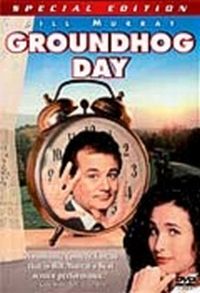
O feitiço do tempo(Groundhog Day)

Todos os anos, no dia 2 de fevereiro, na cidade de Punxsutawney em Pennsylvannia, acontece o Festival da Marmota (Groundhog Day). Reza a lenda que a marmota hiberna durante todo o inverno, e nesse dia, ela acorda e sai da sua toca pela primeira vez. Se a marmota sair e vir a sua sombra, ela volta a hibernar por mais 6 semanas, num inverno prolongado. Se ela não vê sua sombra, mantendo-se do lado de fora, isso é o sinal de que a primavera vem mais cedo.O Feitiço do Tempo(1993), sob a direção de Harold Ramis, é uma comédia que toma esta tradição com ponto de partida. Phil Connors (Bill Murray) é um apresentador de TV de metereologia, egocêntrico ao extremo, sem amigos, nem amores. Phil é o “homem do tempo”, aquele que prevê o tempo no mundo e que se vê como “o dono” do tempo. Tanto ele como a marmota que também se chama Phil teriam a capacidade de prever o tempo – a duração do inverno. Inicia-se a alegoria.Phil é enviado para Punxsutawney, para uma entrevista chatíssima e insignificante sobre o tal dia da Marmota. Devido a uma nevasca, pernoita na cidade e, após um dia em que tudo dá errado, Phil passa a acordar repetidamente naquele mesmo dia, sem que mais ninguém, além dele, se perceba da situação.No repetir sucessivo dos dias, o protagonista tem tempo suficiente para reavaliar suas respostas ao meio. Aceita ser impossível transformar o que lhe vinha externamente, e gradualmente, passa experienciar o lugar, as pessoas com quem convive, abrindo-se para novas aprendizagens e outras formas de se relacionar, aprofundando-se nelas e em si mesmo. Ao reconhecer que não é capaz de mudar a realidade externa, descobre que pode, sim, mudar seu modo de lidar com esta realidade, modificando suas atitudes. Passa a agir diferentemente, descomprometido com os resultados imediatos de seus atos, não mais tratando o tempo como inimigo, mas como uma contingência inevitável, que passa a usar em seu favor. Aprende, aperfeiçoa-se, doa-se ao outro, adquire a capacidade de se preocupar e descobre-se capaz de amar.O Dia da Marmota, título original do filme, cria uma espécie de vácuo existencial para o protagonista onde um único dia é revivido à exaustão até que este possa perceber que lhe é possível, sim, ser o criador de seu próprio tempo. O filme aponta também para o fato de que é crucial que o tempo vivido, para que seja transformador, precise ser um tempo criado pelo próprio indivíduo.Creio que a idéia central deste filme, é, através de uma história fantástica, denunciar a existência, a cada dia, de pequenas repetições aprisionantes, grilhões invisíveis do cotidiano, que nos tornam prisioneiros do tempo numa escala, a princípio, imperceptível. O roteiro nos convida a questionar não só a capacidade transformadora do homem em relação a seu destino, como também foi capaz de exprimir uma experiência temporal que usualmente não é acessível através das palavras.

O tempo é sucessão ou duração? É finito ou infinito? Aponta em direção à irreversibilidade? Existe independente de nós?Buscamos sempre dar um sentido ao mundo, um senso de existência que nos permita estar inseridos neste e que preserve uma certa continuidade, apesar dos conflitos e choques inevitáveis causado pelas interações com o meio. E dar sentido significa ter de desconstruir e novamente reconstruir os fenômenos e experiências que são trazidos para dentro de nós. Implica em dar nomes, transformar o desconhecido em conhecido, transformar o inexplicável em explicável, em buscar uma causa que justifique um evento, atribuir características de modalidades aos fatos, estabelecer analogias.É uma tarefa de reconstrução simbólica que fica, no entanto, a serviço de dois senhores, por assim dizer:a necessidade de sustentação, característica de todo ser humano, muitas vezes erroneamente buscada no mundo exterior, sob a forma de dogmas, verdades absolutas ou paradigmas a serem seguidos fielmente; e a plasticidade, essência do viver e da experiência criativa, mas que traz em seu bojo o desconforto da mutabilidade.Para Bergson, a vida interior é de natureza temporal, o instante não existe e uma experiência pode ser encurtada ou alongada de acordo com aquilo que é vivido pela consciência. O filme seria um exemplo máximo deste postulado bergsoniano.O minuto que passa não é o minuto pensado, mas o vivido. O tempo do sempre é então o tempo vivido pelo sujeito fora do tempo compartilhado, preso num outro tempo, subjetivo, isolante, terrível. O tempo que é marcado pela não mudança, mas por um tempo que impede a transformação.Como reza uma antiga oração judaica:- “Bendito é o Deus que muda as horas”.
Por Neyza Prochet (Nina) - Almas inquietas
Retirado de RoseLivros

Tuesday, November 07, 2006

An Inconvenient truth

This past week, Leila and I assisted to a different type of movie. The major actor, our planet Earth, the commentator, the former vice president of the United States, Al Gore.
please check this link out : http://www.climatecrisis.net


Humanity is sitting on a ticking time bomb. If the vast majority of the world's scientists are right, we have just ten years to avert a major catastrophe that could send our entire planet into a tail-spin of epic destruction involving extreme weather, floods, droughts, epidemics and killer heat waves beyond anything we have ever experienced.

If that sounds like a recipe for serious gloom and doom -- think again. From director Davis Guggenheim comes the Sundance Film Festival hit, AN INCONVENIENT TRUTH, which offers a passionate and inspirational look at one man's fervent crusade to halt global warming's deadly progress in its tracks by exposing the myths and misconceptions that surround it. That man is former Vice President Al Gore, who, in the wake of defeat in the 2000 election, re-set the course of his life to focus on a last-ditch, all-out effort to help save the planet from irrevocable change. In this eye-opening and poignant portrait of Gore and his "traveling global warming show," Gore also proves himself to be one of the most misunderstood characters in modern American public life. Here he is seen as never before in the media - funny, engaging, open and downright on fire about getting the surprisingly stirring truth about what he calls our "planetary emergency" out to ordinary citizens before it's too late.

With 2005, the worst storm season ever experienced in America just behind us, it seems we may be reaching a tipping point - and Gore pulls no punches in explaining the dire situation. Interspersed with the bracing facts and future predictions is the story of Gore's personal journey: from an idealistic college student who first saw a massive environmental crisis looming; to a young Senator facing a harrowing family tragedy that altered his perspective, to the man who almost became President but instead returned to the most important cause of his life - convinced that there is still time to make a difference.

With wit, smarts and hope, AN INCONVENIENT TRUTH ultimately brings home Gore's persuasive argument that we can no longer afford to view global warming as a political issue - rather, it is the biggest moral challenges facing our global civilization.

Tuesday, October 31, 2006


Maria Victoria e Joao


Visite I'm Free e participe das promoções e jogos.

Visite Number One, PLANETA MUSICA, have fun e melhore seu inglês.

Sunday, October 29, 2006

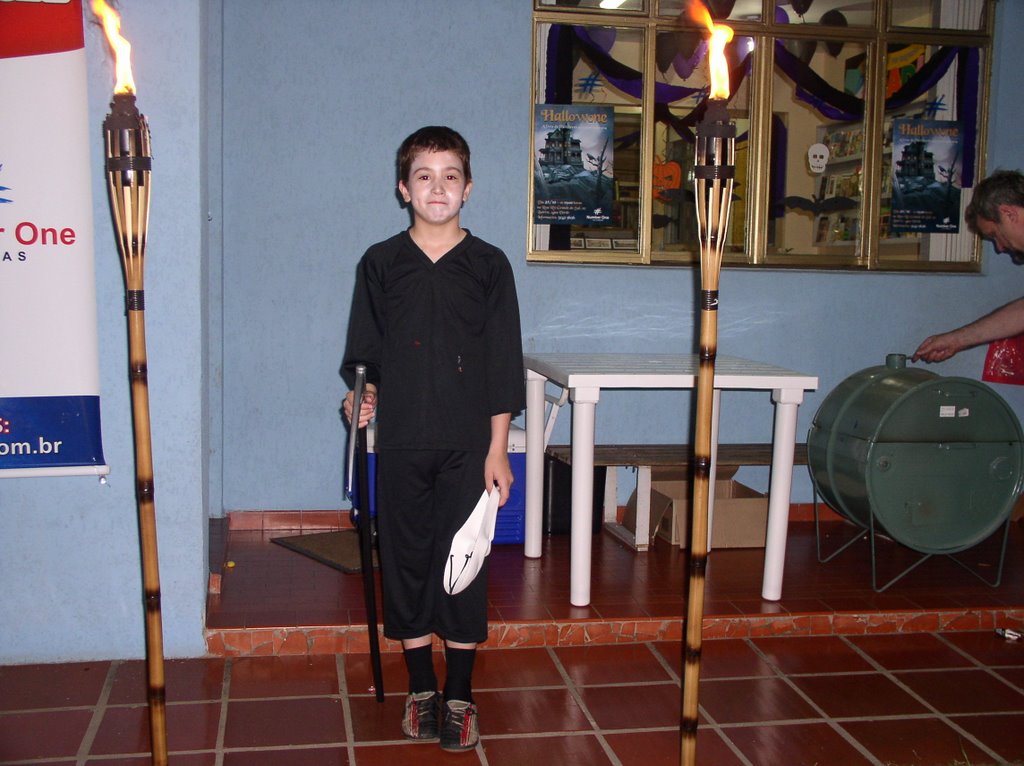
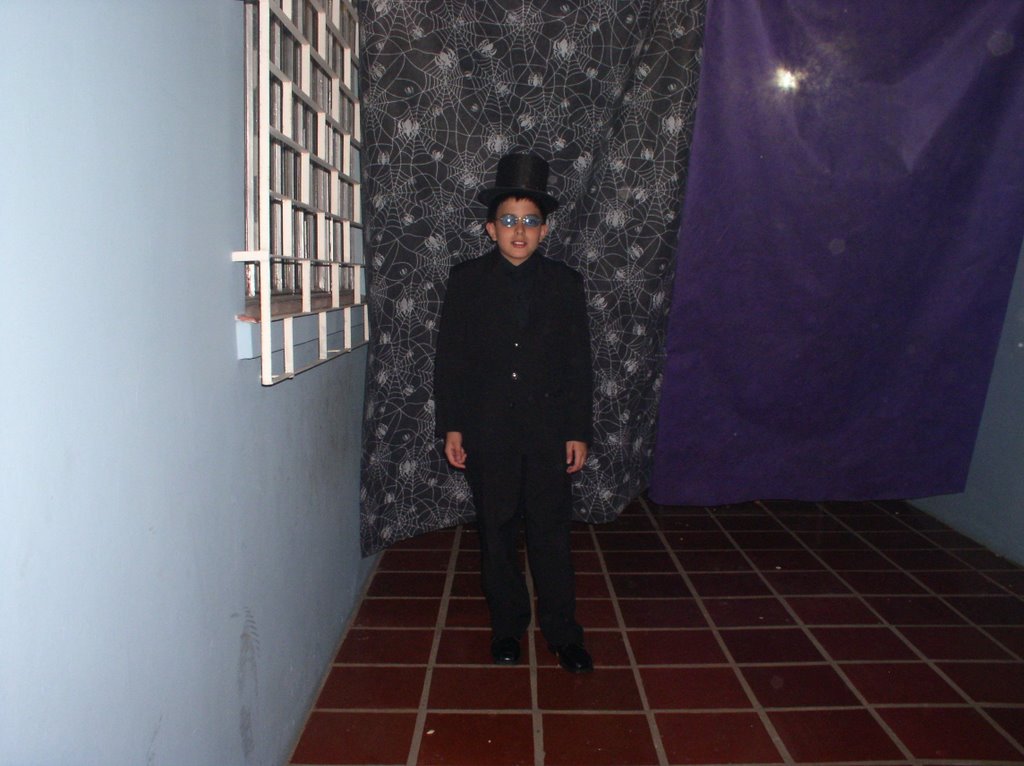
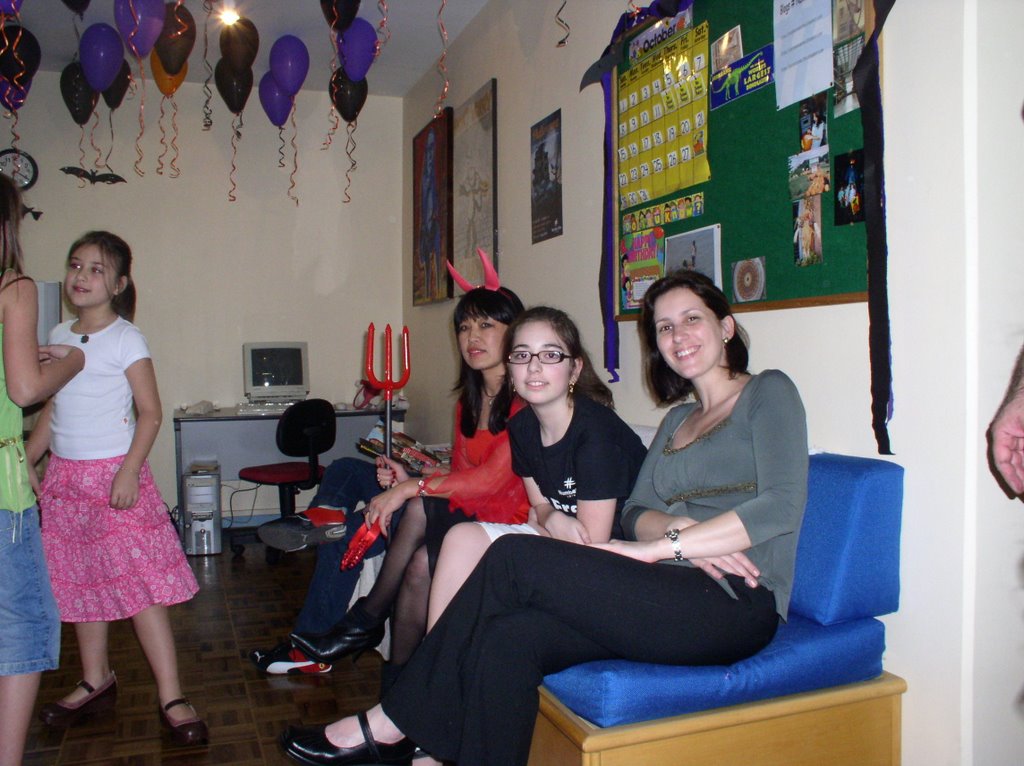
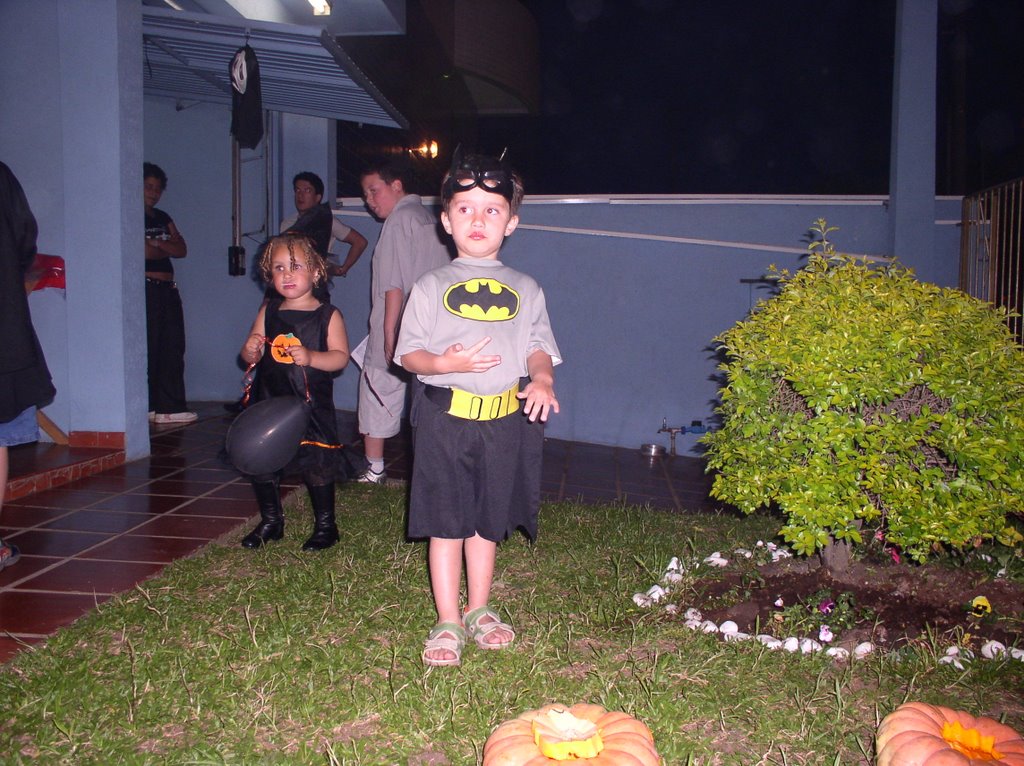
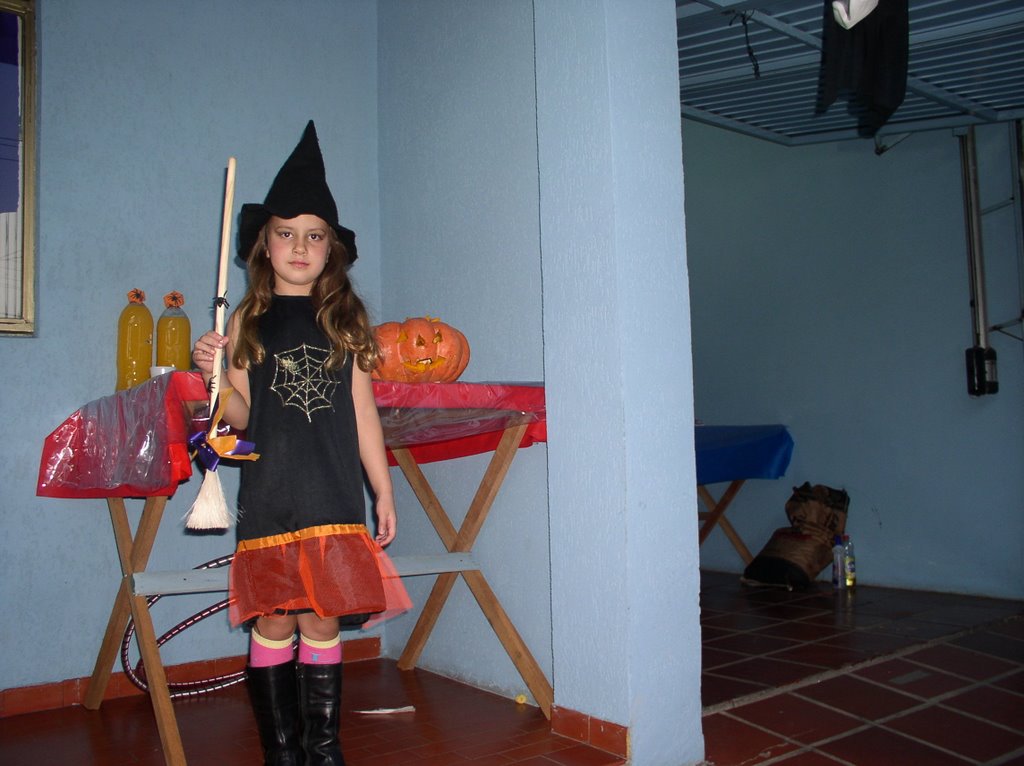
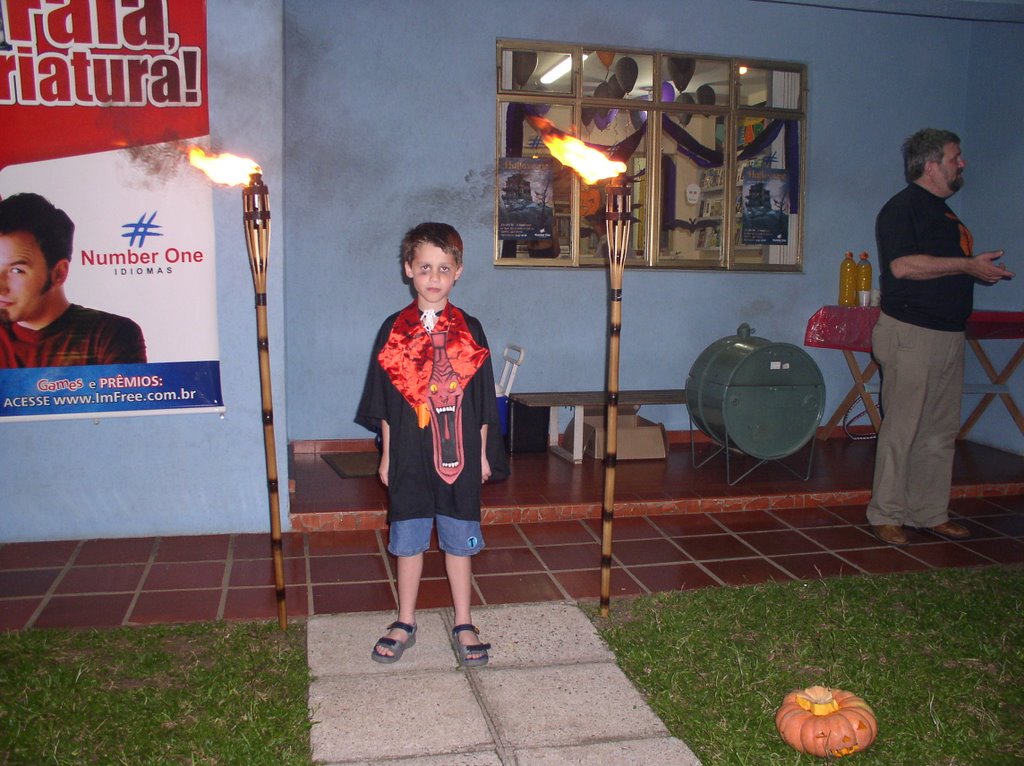
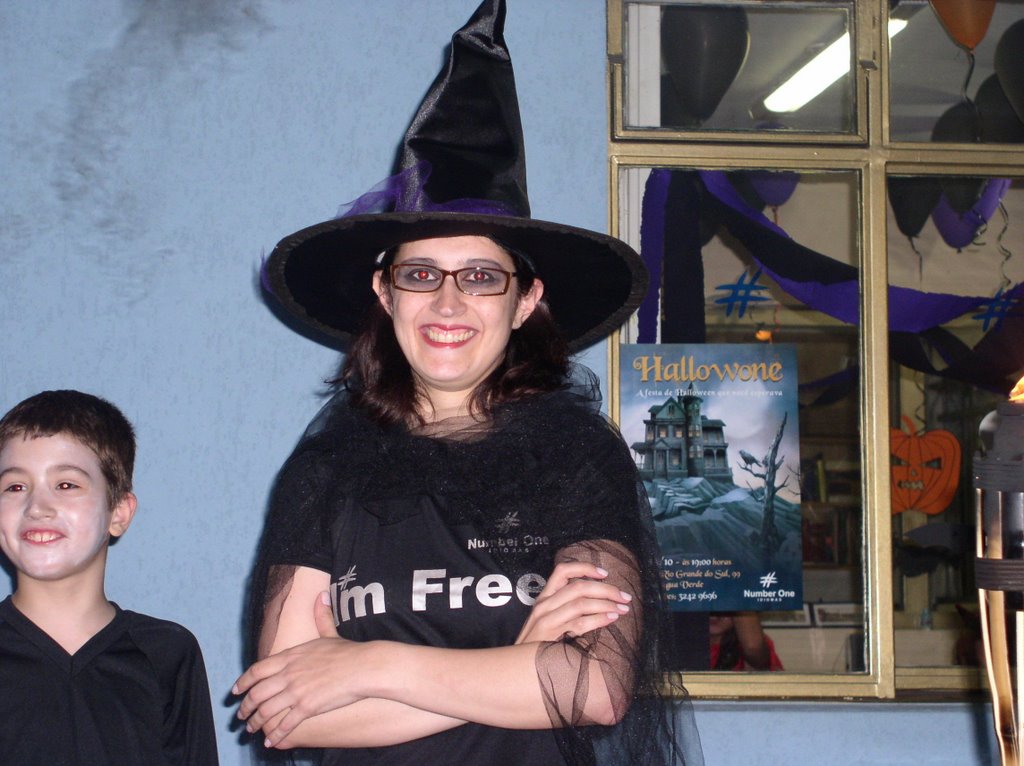
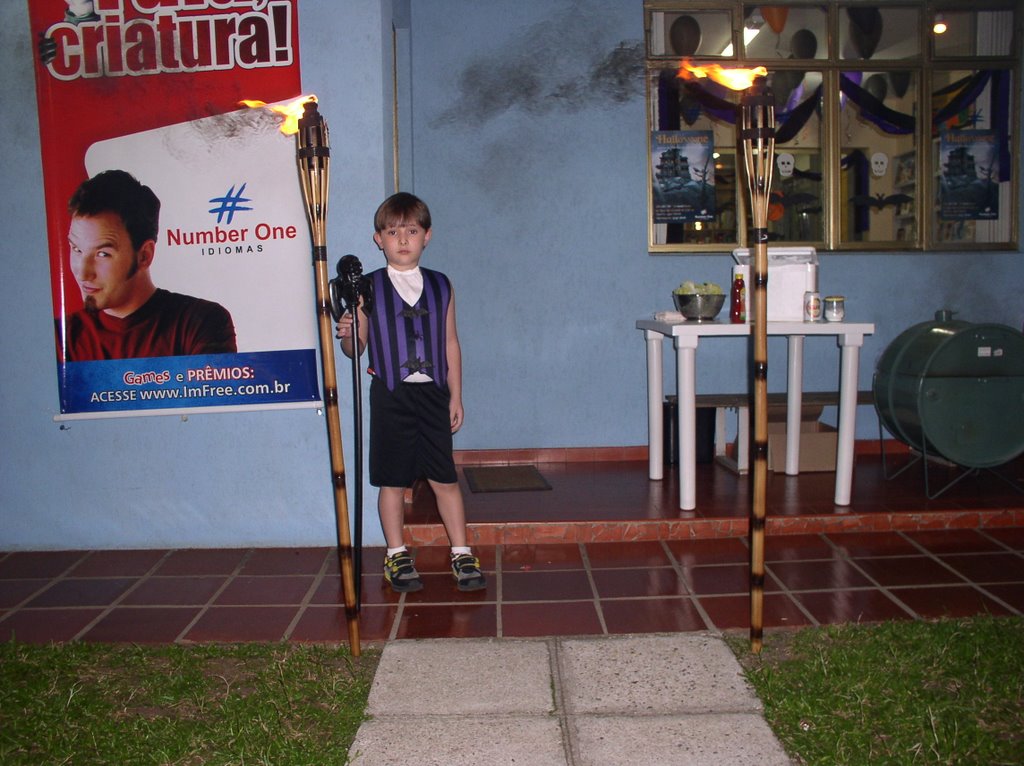
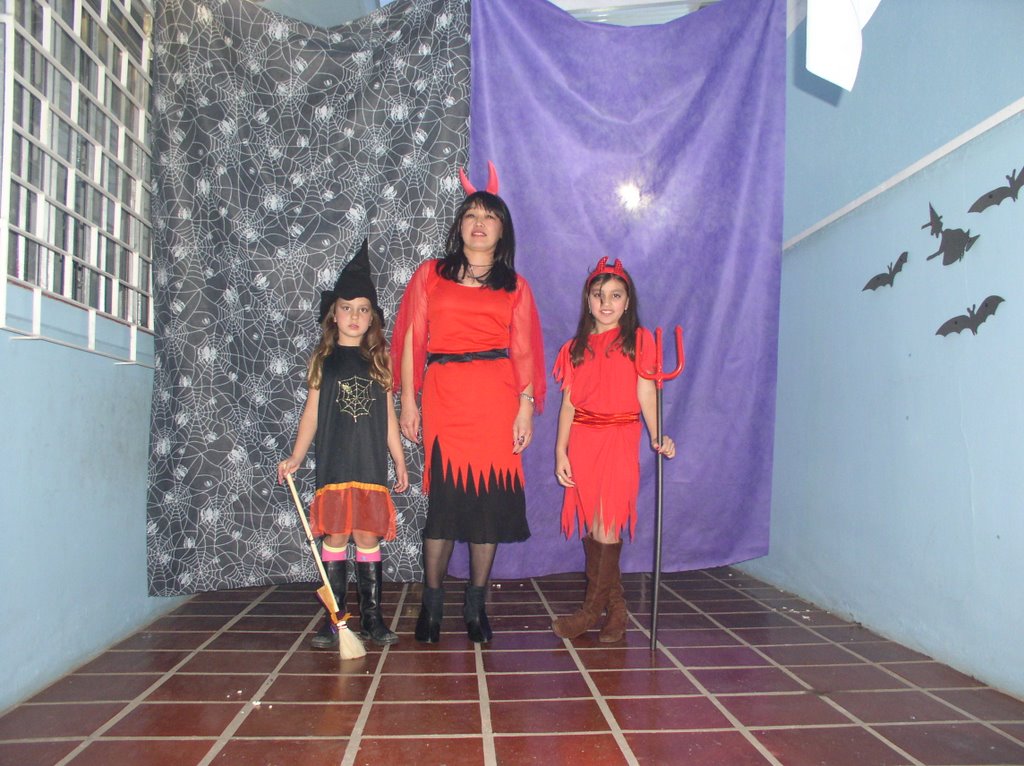
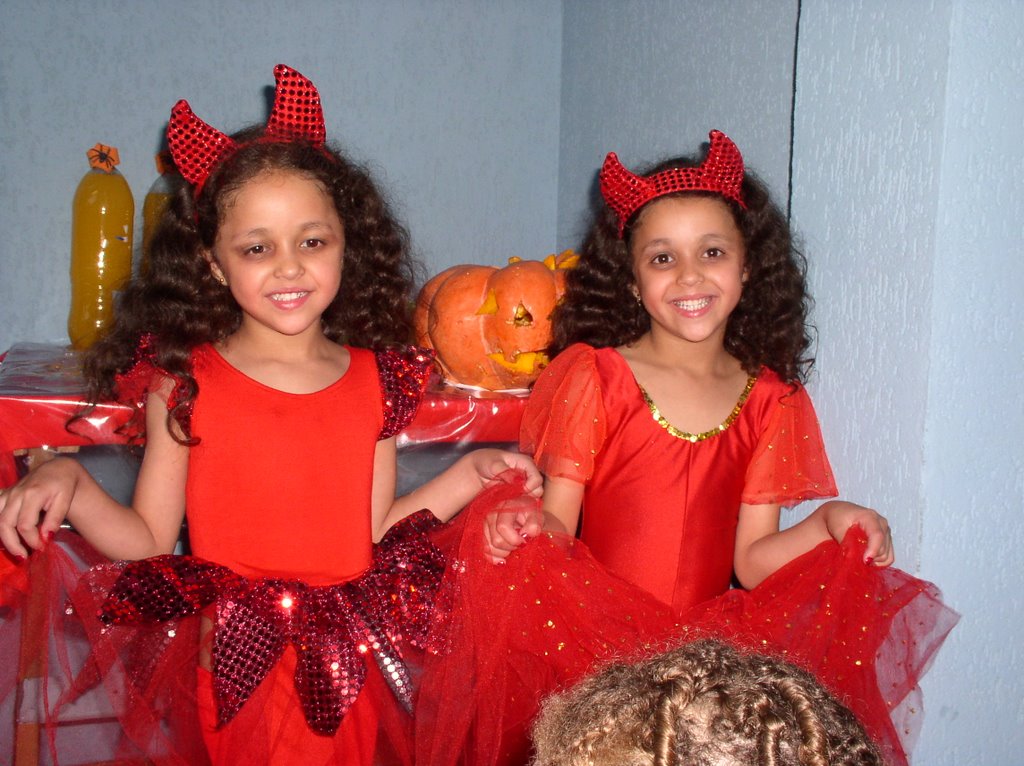
Our Halloween party


Raul
Teacher Valquiria and Nicolas
Gabriel


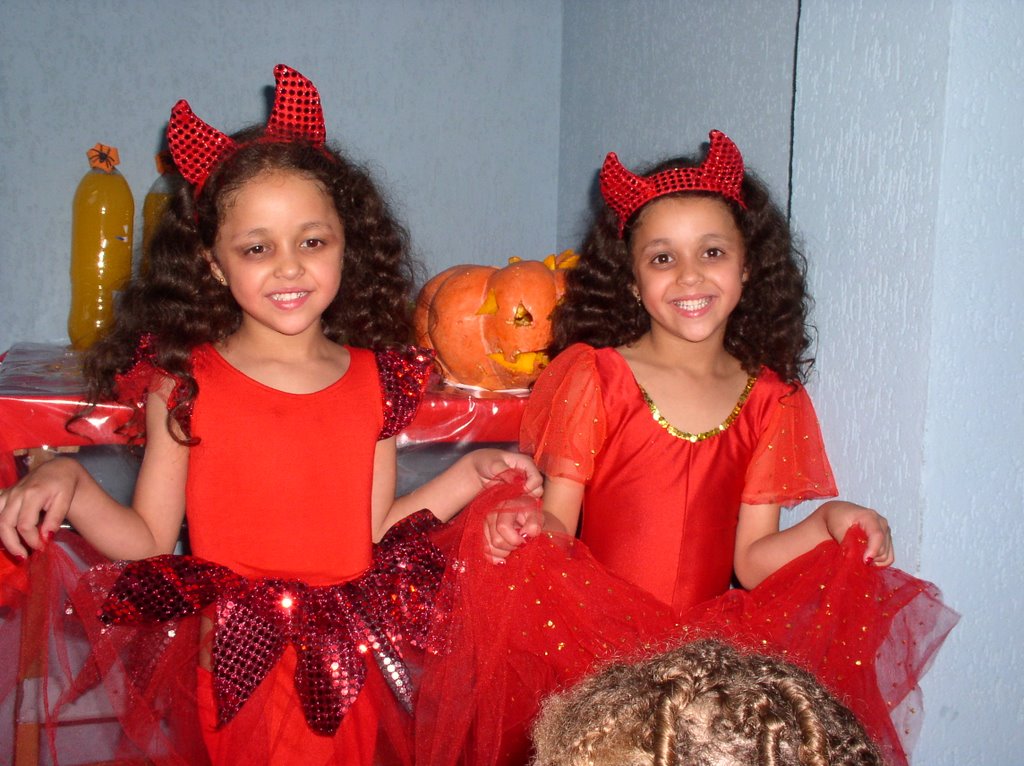
Devil twins - Ketlyn and Karen

Friday, October 27, 2006

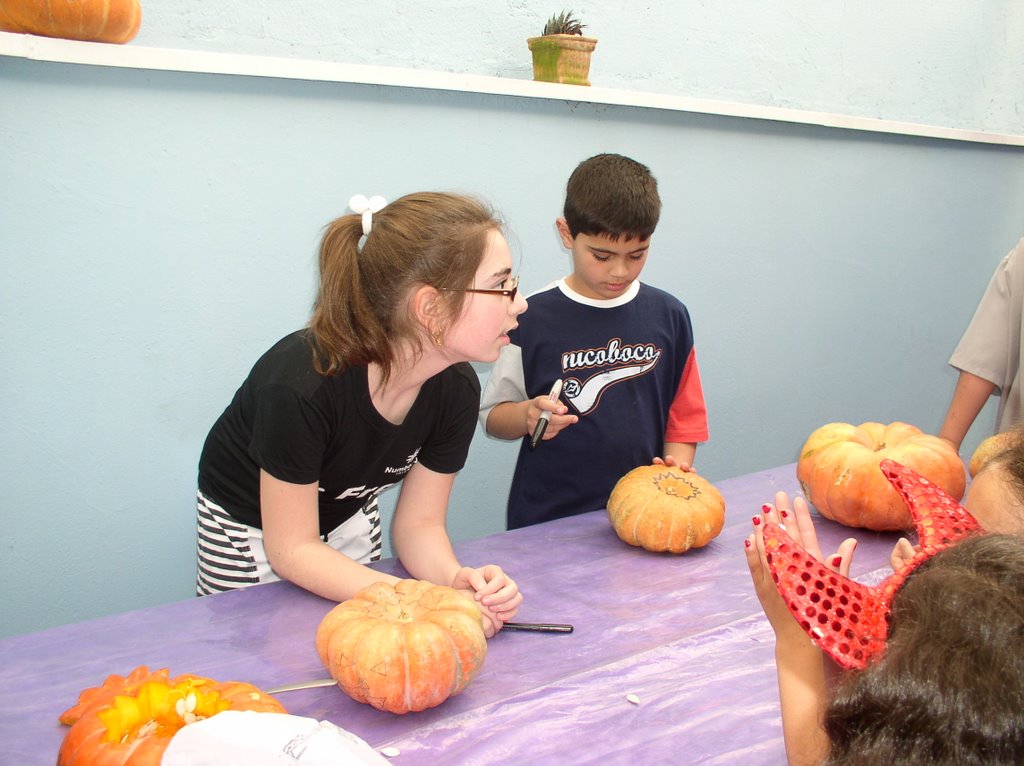
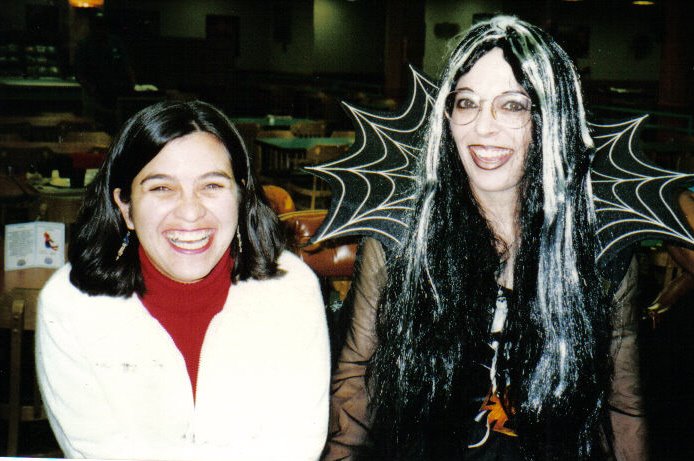
Our Halloween - Melissa and Leila

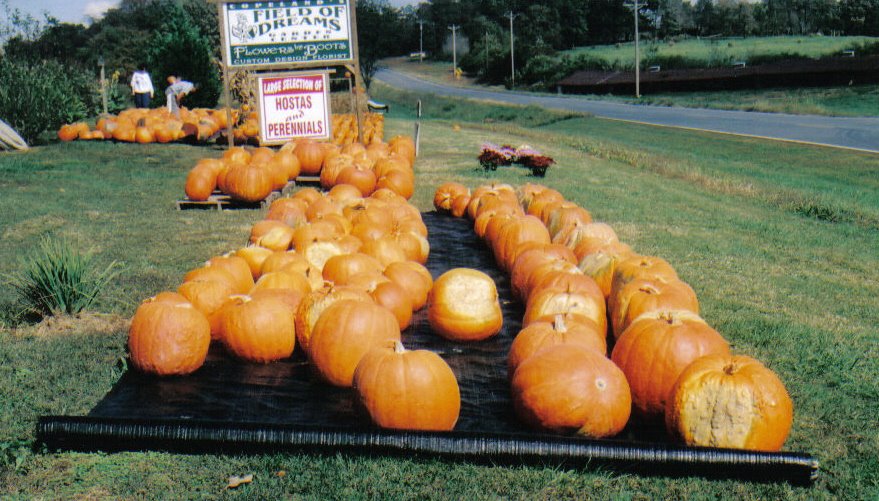
Pumpkins - Georgia - USA - 2002
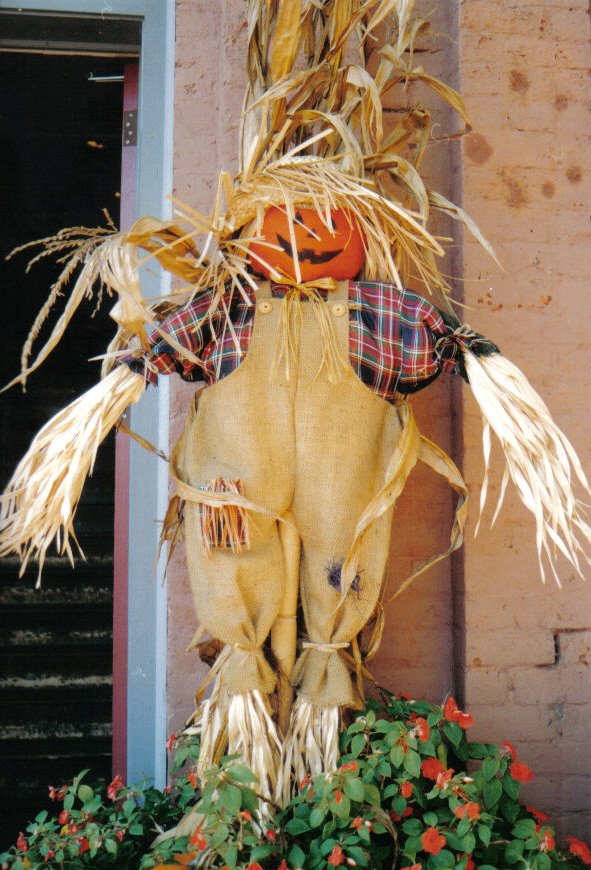
My first Halloween in the USA - Grand Canyon
Leila
more pictures here

Melissa - Canada

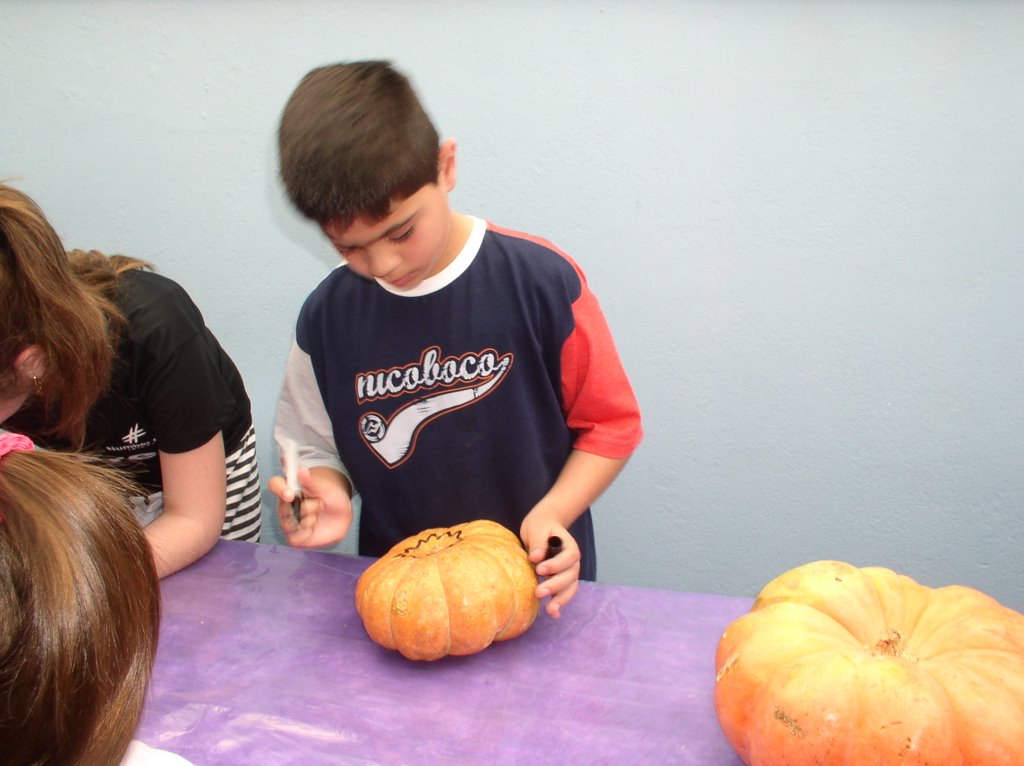
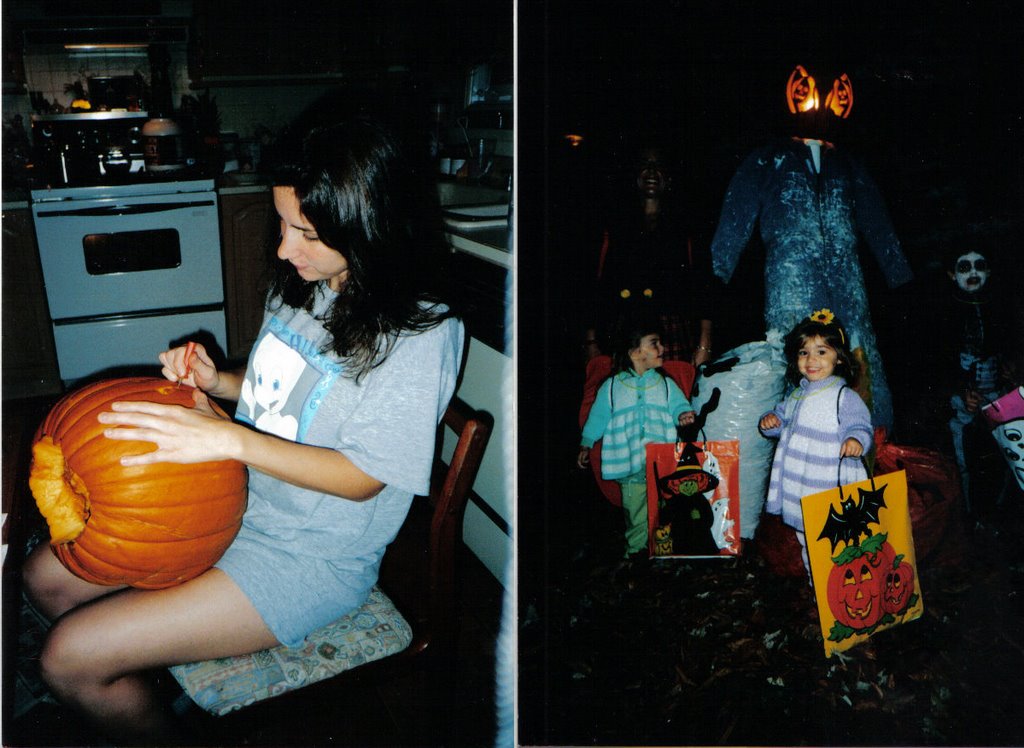
This is me curving a pumpkin , in Montreal, Canada. And next, my host family , the Stopnickis, all dressed up for Halloween.

Melissa

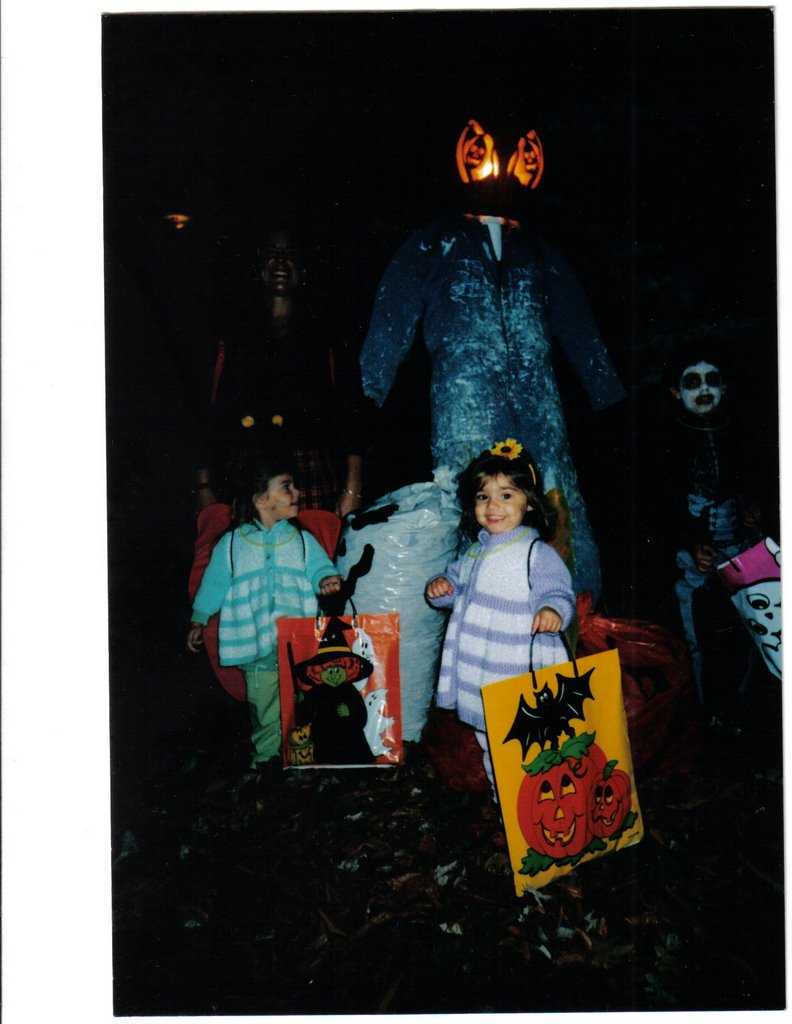
Halloween in Georgia USA - 2002

Wednesday, October 25, 2006

HALLOWEEN FEVER


JUST A FEW DAYS LEFT BEFORE THE HALLOWEEN CELEBRATIONS!!!

A bit of history

Halloween's origins date back to the ancient Celtic festival of Samhain (pronounced sow-in). The Celts, who lived 2,000 years ago in the area that is now Ireland, the United Kingdom, and northern France, celebrated their new year on November 1. This day marked the end of summer and the harvest and the beginning of the dark, cold winter, a time of year that was often associated with human death. Celts believed that on the night before the new year, the boundary between the worlds of the living and the dead became blurred. On the night of October 31, they celebrated Samhain, when it was believed that the ghosts of the dead returned to earth. In addition to causing trouble and damaging crops, Celts thought that the presence of the otherworldly spirits made it easier for the Druids, or Celtic priests, to make predictions about the future. For a people entirely dependent on the volatile natural world, these prophecies were an important source of comfort and direction during the long, dark winter.
To commemorate the event, Druids built huge sacred bonfires, where the people gathered to burn crops and animals as sacrifices to the Celtic deities.
During the celebration, the Celts wore costumes, typically consisting of animal heads and skins, and attempted to tell each other's fortunes. When the celebration was over, they re-lit their hearth fires, which they had extinguished earlier that evening, from the sacred bonfire to help protect them during the coming winter.
By A.D. 43, Romans had conquered the majority of Celtic territory. In the course of the four hundred years that they ruled the Celtic lands, two festivals of Roman origin were combined with the traditional Celtic celebration of Samhain.
The first was Feralia, a day in late October when the Romans traditionally commemorated the passing of the dead. The second was a day to honor Pomona, the Roman goddess of fruit and trees. The symbol of Pomona is the apple and the incorporation of this celebration into Samhain probably explains the tradition of "bobbing" for apples that is practiced today on Halloween.
By the 800s, the influence of Christianity had spread into Celtic lands. In the seventh century, Pope Boniface IV designated November 1 All Saints' Day, a time to honor saints and martyrs. It is widely believed today that the pope was attempting to replace the Celtic festival of the dead with a related, but church-sanctioned holiday. The celebration was also called All-hallows or All-hallowmas (from Middle English Alholowmesse meaning All Saints' Day) and the night before it, the night of Samhain, began to be called All-hallows Eve and, eventually, Halloween. Even later, in A.D. 1000, the church would make November 2 All Souls' Day, a day to honor the dead. It was celebrated similarly to Samhain, with big bonfires, parades, and dressing up in costumes as saints, angels, and devils. Together, the three celebrations, the eve of All Saints', All Saints', and All Souls', were called Hallowmas.

Saturday, October 21, 2006

Thursday, October 19, 2006

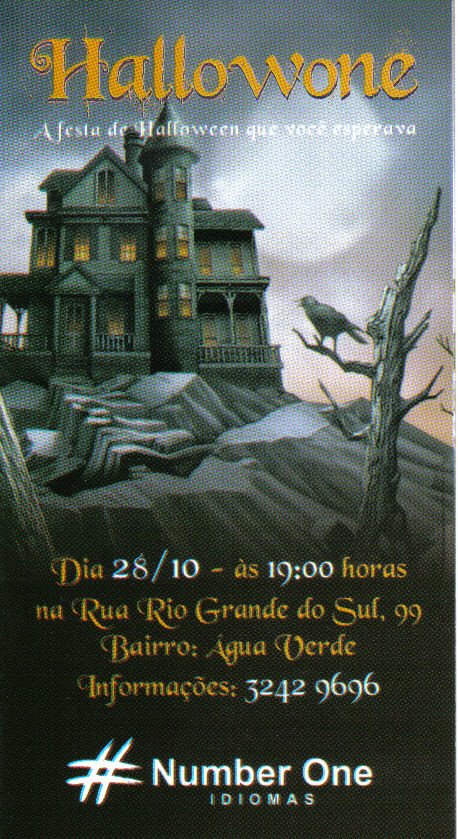
Halloween


Don't miss this event:

Halloween Party

28/10

19 hs

CAF 4


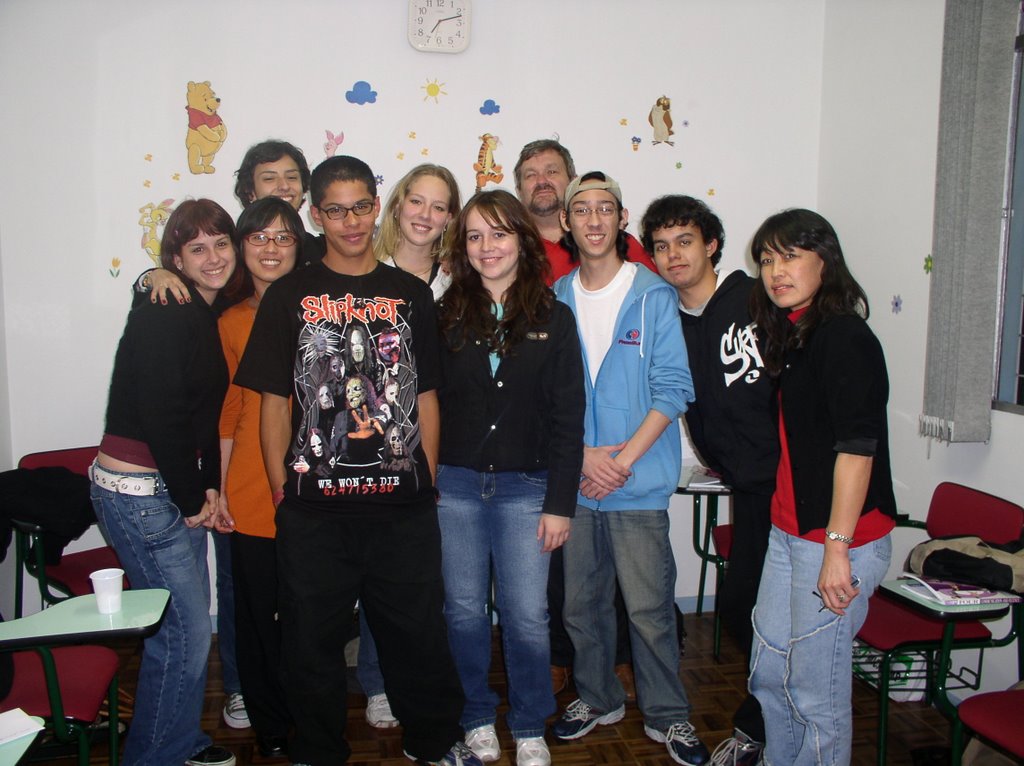
Teacher Pierre com seus alunos:Aline,Fabiana,Sílvia,André,Milena,Andressa,Daniel,Ramon e Ermelinda.

Val and students


Teacher Valquíria com seus alunos Fw2:Raul e Giórgia.

Wednesday, October 18, 2006

The Little Ones


Teacher Andrea com seus alunos:Gabriela,Luca,Letícia,Manuela,Matheus,Natália e Vinícius.

Tuesday, October 17, 2006

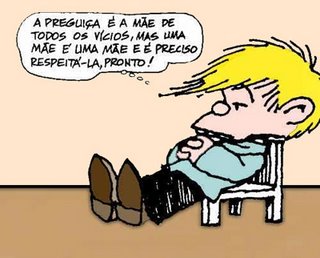
Mãe é mãe

Politics Texas style


This blog should not normally be used for serious politial debate.
One exception comes to mind though, the campaign for Governor of the great State of Texas.

Texas is unlike any other US states, it pretends to be a country of its own.
It reminds me of a blend of the State of Goias and of the Triangulo Mineiro.
Their politics are usually extremely conservative and the inhabitants quite religious.
They listen to country Music and it is acceptable to walk down the streets wearing jeans, cowboy hat and cowboy boots. Definitely the opposite of New York city.
All in all Texas is a rather strange place.

This year you have a few independent candidates running for the post of Governor of Texas.
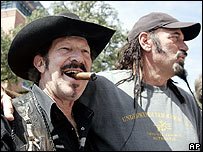
The politics are not unlike Brazil´s but in a country where the norm is to have only a candidate from the Republican and another from the Democrat party challenge each other; the candidacy of Kinky as an independent is refreshing.

It is good to challenge the status quo where neither the Republicans nor the Democrats have anything new to say. Kinky will not probably win but he is at least amusing.
His buddy in the above picture is Jesse Ventura, a former wrestler who became governor of the state of Minnesota, so who knows.....

For more information please follow the link:
http://news.bbc.co.uk/2/hi/americas/5393522.stm

......
Viste: I'm free

Monday, October 16, 2006

Who's that?

That is teacher MELISSA and the Oscar goes to...I mean, the T Shirt goes to RAMON (caf4) and MARIA VICTORIA (D2). Congratulations!
Soon another game.


The first person to guess who this teacher in the picture is, will receive a T-SHIRT.

Obs: Dois alunos já enviaram a resposta certa e todos os dois receberão a camiseta durante a semana. Se alguém mais quiser arriscar pode colocar a resposta nos comentários ou enviar por e-mail. Logo teremos a foto de mais um teacher.

Hello from FW6


Students FW6: Natália, Mariana, Giórgia e Matheus

Sunday, October 15, 2006

Teacher's day!


The students of Number One Curitiba Agua Verde join Leila and Pierre to wish our teaching staff a wonderful Teacher´s day. Their dedication, creativity and commitment give us pride in being their colleagues and students.

Saturday, October 14, 2006

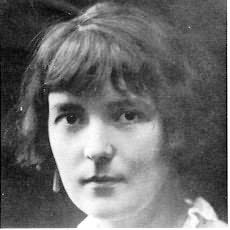
A escritora Katherine Mansfield nasceu no dia 14/10


Katherine Mansfield (born Kathleen Mansfield Beauchamp October 14, 1888 in New Zealand; died January 9, 1923) was a famous author.
Born into a socially prominent Wellington family, Katherine's first published stories were in the High School Reporter, the Wellington Girls' High School magazine, in 1898 and 1899. She moved to
London in 1902, where she attended Queen's College, London. A talented cellist, she was not at first attracted to literature, and after finishing her schooling in England, she returned to her New Zealand home in 1906. Weary of the provincial New Zealand lifestyle, Beauchamp returned to London two years later.

Fonte: Wikipedia

Thursday, October 12, 2006

FELIZ DIA DAS CRIANÇAS!


HAPPY CHILDREN'S DAY!!!